Many homeowners discover that their bathtub no longer matches their everyday routine. Stepping over a high tub wall can become inconvenient, and a traditional bathtub may occupy more room than necessary. A tub to shower conversion offers an alternative that can improve accessibility, simplify bathing, and create a more open bathroom layout.
Why Homeowners Replace Bathtubs With Showers
Household needs change over time.
A bathtub may be useful when children are young, but adults who primarily shower might prefer a more convenient bathing area.
Replacing an underused bathtub can help the bathroom function more efficiently.
Easier Everyday Access
One of the main reasons homeowners consider tub to shower conversion is improved entry.
Traditional bathtubs require users to step over a raised edge. A shower with a lower threshold can make entry more convenient.
For individuals with mobility limitations, additional features such as grab bars, suitable seating, and slip-resistant flooring may provide further support.
Accessibility requirements should be considered during the initial design stage.
A More Open Bathroom Appearance
Bathtubs can create visual separation in compact bathrooms.
A shower enclosure with clear glass may allow light to travel more freely across the room.
This can make the space appear brighter and less crowded without changing its overall dimensions.
What Happens During a Tub to Shower Conversion?
Although every bathroom has different conditions, the renovation generally follows several important stages.
Step 1: Evaluate the Existing Bathing Area
The first step involves examining the bathtub, surrounding walls, plumbing connections, and available space.
The condition of the subfloor and nearby surfaces may influence the renovation approach.
Identifying moisture damage before installation helps prevent future complications.
Step 2: Remove the Existing Bathtub
The bathtub and necessary surrounding materials are removed carefully.
This stage allows access to concealed areas that may require repair or preparation.
The exposed space must be assessed before new waterproofing and shower components are installed.
Step 3: Prepare Plumbing and Drainage
Proper drainage is essential for a reliable shower.
The existing drain position, pipe capacity, and floor structure determine whether adjustments are required.
A tub to shower conversion may involve plumbing modifications to accommodate the new shower layout.
Step 4: Waterproof and Finish the Shower
Waterproofing protects surrounding walls and floors from moisture penetration.
Once the shower area is prepared, suitable finishes, fixtures, and enclosure components can be installed.
Careful detailing around corners, joints, and penetrations helps support long-term performance.
Design Choices That Improve the Finished Shower
A successful shower design considers more than appearance.
Choose a Suitable Entry Configuration
Sliding doors may work well when there is limited clearance outside the shower.
Hinged doors require sufficient opening space, while some walk-in arrangements provide a more open entrance.
The appropriate design depends on room dimensions and splash containment.
Add Convenient Storage
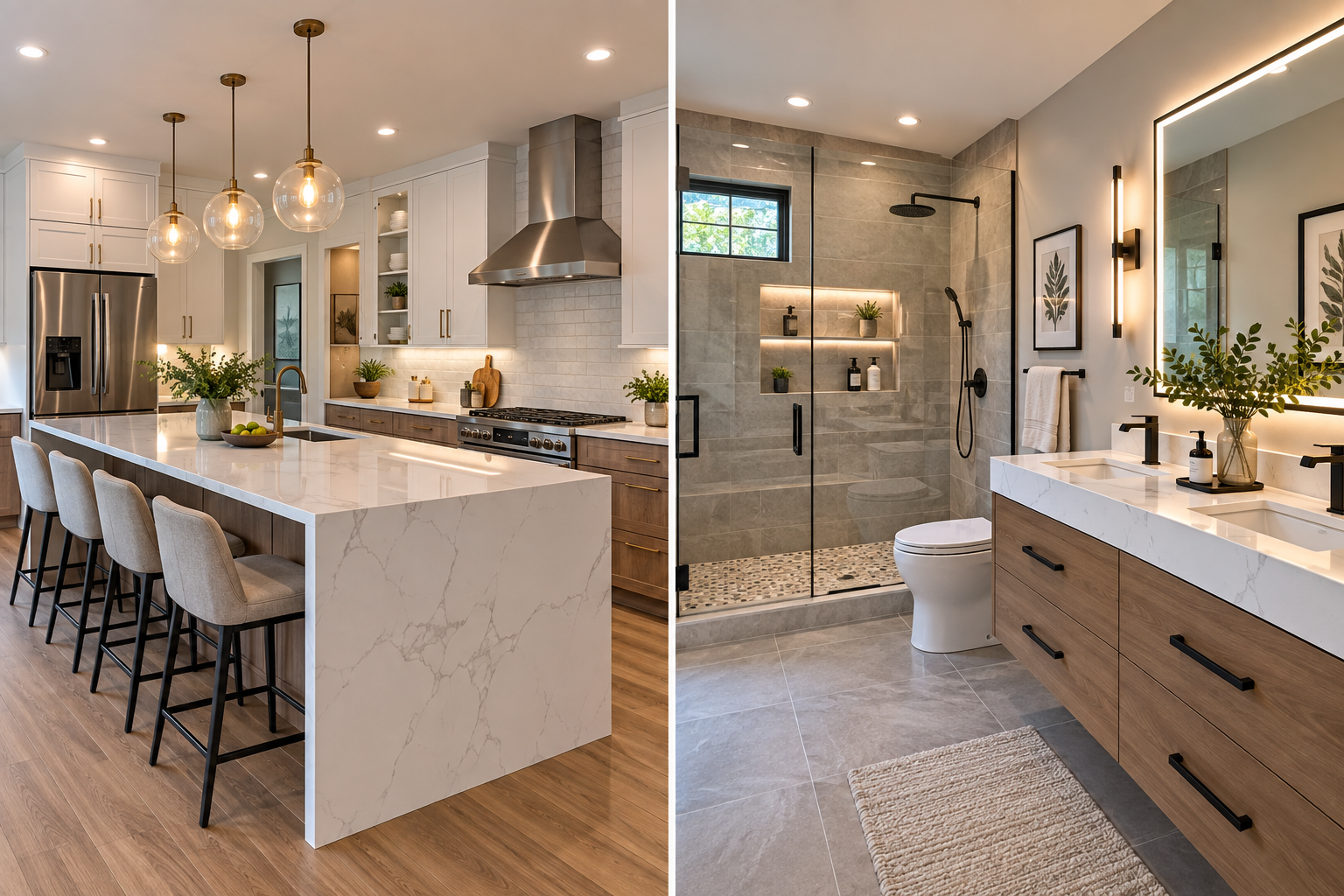
Built-in shower niches can keep bathing essentials organized.
Position shelves where they are easy to reach without interfering with movement.
Avoid creating unnecessary projections in narrow shower areas.
Consider Future Accessibility
Planning for changing mobility needs can improve long-term usability.
Blocking behind walls for future grab bars, accessible controls, and suitable shower dimensions may be worth considering.
These decisions are easier to address before walls are finished.
Is a Shower Conversion Right for Every Bathroom?
Not necessarily.
Households with young children may still benefit from retaining a bathtub. Homeowners should also consider whether another bathtub is available elsewhere in the property.
Before starting, review plumbing conditions, structural limitations, and household preferences.
Exploring local shower conversion guidance can help homeowners understand the practical considerations involved.
Conclusion
Replacing an underused bathtub can transform how a bathroom feels and functions. Improved entry, better organization, and a brighter layout are among the potential benefits.
A tub to shower conversion works best when homeowners carefully assess existing conditions, select appropriate materials, and prioritize reliable waterproofing. With the right planning, the finished shower can offer everyday convenience and lasting comfort.